
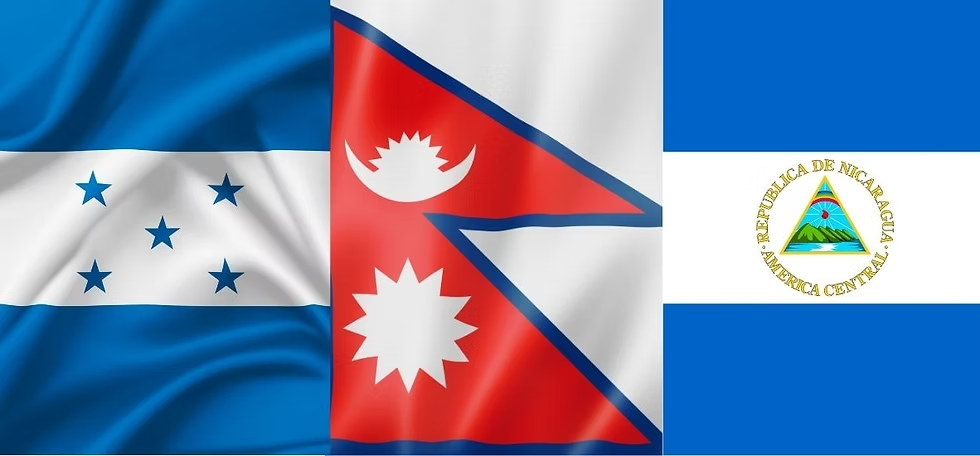
TPS Update for Honduras, Nicaragua, and Nepal: What the Recent Court Decision Means
Temporary Protected Status (TPS) has provided humanitarian relief to thousands of immigrants from Honduras, Nicaragua, and Nepal for decades. However, recent court developments have once again placed these protections under scrutiny.
In February 2026, federal court decisions cleared the way for the U.S. government to proceed with terminating TPS for these countries, a move that could impact tens of thousands of individuals who have built lives in the United States under this temporary status.
This article explains what TPS is, what the recent court ruling allows, and what affected migrants should understand moving forward.
What Is TPS and Why Was It Granted to These Countries?
TPS is a temporary immigration status granted to nationals of certain countries experiencing:
Armed conflict
Natural disasters
Extraordinary and temporary conditions
Honduras and Nicaragua were designated for TPS following the devastation caused by Hurricane Mitch in 1998, which severely damaged infrastructure and destabilized both countries.
Nepal was designated for TPS after the 2015 earthquake, which caused widespread destruction and humanitarian hardship.
TPS allowed eligible individuals to:
Remain in the United States legally
Obtain work authorization
Avoid deportation while conditions in their home country were considered unsafe
Importantly, TPS does not provide permanent residence or a direct path to citizenship.
What Did the Recent Court Ruling Decide?
Recent reporting indicates that a U.S. federal court has allowed the Department of Homeland Security (DHS) to move forward with revoking TPS designations for Honduras, Nicaragua, and Nepal.
The court determined that the executive branch has the authority to terminate TPS designations if it concludes that the conditions that originally justified protection no longer meet statutory requirements.
This ruling follows years of legal challenges and administrative reviews regarding TPS renewals for these countries.
While the decision does not automatically deport individuals, it clears the legal barrier that had previously prevented termination from taking effect.
How Many People Could Be Affected?
The reported figures suggest that:
Tens of thousands of Hondurans
Thousands of Nicaraguans
Several thousand Nepali nationals
could potentially lose their TPS protections if termination moves forward.
Many of these individuals have lived in the United States for over 20 years, raising families, working, and contributing economically and socially to their communities.
What Happens If TPS Is Officially Terminated?
If TPS protections end, affected individuals may:
Lose work authorization
Become subject to removal proceedings
Need to transition to another legal immigration status (if eligible)
However, termination typically includes a transition period before protections fully expire. The timeline and implementation details will depend on formal DHS notices and administrative action.
What This Means for Immigrants and Families
For TPS holders from these countries, this development creates several important realities:
1️⃣ Legal Uncertainty
Even long-standing TPS designations can be terminated through administrative and judicial processes.
2️⃣ Urgency to Explore Other Options
TPS is temporary by design. Individuals who have relied on TPS for years should now evaluate whether they qualify for:
Family-based petitions
Adjustment of status
Employment-based immigration
Asylum or other humanitarian relief
Cancellation of removal
Other waivers or forms of relief
3️⃣ Risk of Work Disruption
Work authorization linked to TPS may eventually expire, affecting employment and financial stability.
Why These Cases Are Complex
TPS termination does not automatically mean deportation, but it does increase vulnerability.
Many TPS holders:
Have U.S. citizen children
Have no criminal record
Have deep community ties
May qualify for other legal pathways but have never applied
Each case is highly fact-specific. Timing, immigration history, and eligibility criteria all matter.
What Should TPS Holders Do Now?
If you are from Honduras, Nicaragua, or Nepal and currently hold TPS:
Do not panic — termination is a process, not an immediate removal order.
Monitor official DHS and USCIS announcements.
Avoid relying on rumors or social media speculation.
Consult an immigration attorney to evaluate alternative options.
Keep documentation organized and updated.
Early preparation is critical.
How AG Law Firm Can Help
At AG Law Firm, we assist TPS holders by:
Reviewing eligibility for permanent residency options
Assessing family-based and employment-based pathways
Evaluating humanitarian relief possibilities
Preparing transition strategies in case of termination
Our approach focuses on proactive planning rather than reactive crisis management.
Final Thoughts
The recent court ruling allowing the revocation of TPS for Honduras, Nicaragua, and Nepal marks a significant shift for thousands of families who have relied on this protection for years.
While TPS was always temporary, the longevity of these designations made them a central part of many immigrants’ lives. Now, more than ever, understanding available legal options is essential.
Immigration policy can change — but preparation and informed legal strategy remain constant tools for protection.