
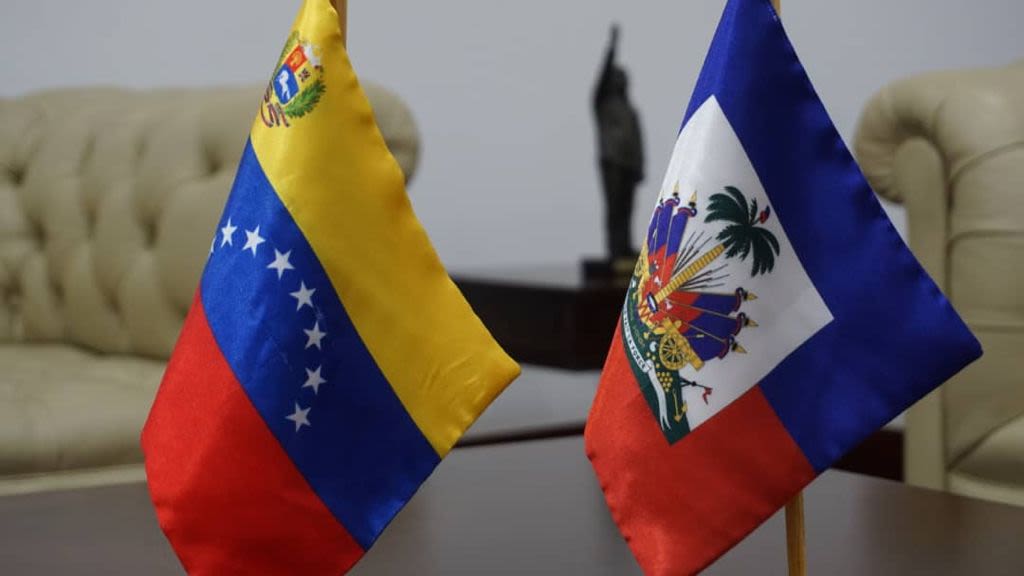
U.S. Court Rules Ending TPS for Venezuelans and Haitians Was Illegal: What It Means for Migrants
In late January 2026, a U.S. federal appeals court found that the Trump administration acted illegally when it ended Temporary Protected Status (TPS) for hundreds of thousands of people from Venezuela and Haiti. This ruling restores a legal basis for challenging the termination of the protections and has drawn attention from communities affected by the decision.
The ruling comes amid ongoing legal battles over immigration policy and humanitarian protections. It does not automatically restore TPS protections at this moment, but it shapes the legal battleground and offers an important development for migrants and families who might be impacted.
This article explains what the court ruled, how TPS works, and why this matters for Venezuelan and Haitian immigrants living in the United States.
What Is TPS and Why It Matters
Temporary Protected Status (TPS) is a humanitarian program created by Congress that allows nationals of designated countries to remain in the U.S. temporarily when returning home would be unsafe due to:
Ongoing conflict
Environmental disasters
Other extraordinary and temporary conditions
TPS provides:
Protection from deportation
Work authorization
A way to live legally in the U.S. while conditions in the home country remain dangerous
However, TPS does not grant permanent residency or a direct path to citizenship.
What Is TPS and Why It Matters
Temporary Protected Status (TPS) is a humanitarian program created by Congress that allows nationals of designated countries to remain in the U.S. temporarily when returning home would be unsafe due to:
Ongoing conflict
Environmental disasters
Other extraordinary and temporary conditions
TPS provides:
Protection from deportation
Work authorization
A way to live legally in the U.S. while conditions in the home country remain dangerous
However, TPS does not grant permanent residency or a direct path to citizenship.
The judges noted that:
The law passed by Congress contains procedural safeguards to ensure stability for TPS holders
The secretary did not have the authority to revoke an existing TPS designation unilaterally
The reasoning provided when ending TPS did not meet statutory requirements
Despite the ruling, the court’s decision does not have immediate practical effect because the U.S. Supreme Court previously allowed the termination to take effect while the litigation continues through the judicial system.
Background: How We Got Here
Previously:
TPS for Venezuelans had been extended by a prior administration based on dire conditions in Venezuela
The Trump administration moved to end those protections, arguing conditions had improved and that the temporary program should be terminated
Legal challenges were filed by immigrant advocacy groups asserting that the administration exceeded its authority
In October 2025, the Supreme Court allowed the TPS termination to remain in effect temporarily while the full legal challenge proceeds. The recent appeals court ruling reaffirms that the administration’s actions were unlawful, but the dispute still needs final resolution from higher courts or further litigation.
A separate lawsuit is also underway to challenge the termination of TPS for Haiti, whose protections were scheduled to end on February 3, 2026. A federal judge in Washington had been expected to rule on whether to pause that termination while the legal challenge plays out.
Who Is Affected by This Ruling?
The ruling directly concerns:
Venezuelan nationals whose TPS protections had been terminated
Haitian nationals facing the end of their TPS designation
Other immigrants who may rely on TPS or similar humanitarian protections
Many of these migrants have lived in the U.S. for years, working, supporting families, paying taxes, and contributing to their communities.
Although the decision does not immediately reinstate TPS status, it provides a strong legal basis for further appeals and may influence subsequent court rulings or legislative action.
Why This Matters for Immigrants
For individuals who held TPS or were counting on TPS protections, the court’s ruling has several implications:
1. Legal Arguments Still Matter
Even if a federal agency tries to end protections, courts can check whether those decisions were lawful. This ruling shows that ending TPS is not a simple administrative decision—it must follow the law and respect procedural safeguards.
2. Uncertainty Remains
Because the Supreme Court allowed the termination to proceed while the case continues, individuals should understand that their situation may not immediately change. Continued legal developments could affect eligibility, deportation risk, and work authorization.
3. Need for Legal Support
Many people affected by this ruling will need individualized legal advice to understand how their immigration status, work authorization, or family-based cases could be influenced.
What Comes Next
The legal process is ongoing. Possible next steps include:
Further appeals in federal courts
Potential Supreme Court review of the appeals court decision
Parallel litigation over Haiti’s TPS termination
Legislative action by Congress (though not guaranteed)
Because TPS is temporary by design and depends on ongoing assessment of country conditions, migrants and advocates will continue monitoring both legal outcomes and future policy statements from the Department of Homeland Security and the judiciary.
Final Thoughts
The Ninth Circuit’s ruling marks a significant chapter in the ongoing legal debate over humanitarian protections in U.S. immigration law. For Venezuelan and Haitian immigrants, the decision offers an important legal argument against abrupt termination of protections—but it does not resolve the broader uncertainty. Staying informed and consulting qualified immigration attorneys is essential for individuals whose status may be affected.